El Salvador's per-capita gross national product (GNP) is US$2,540, 2.5 times that of Nicaragua. With the expansion of the industrial and services sectors, the country's economy is today more diversified and less dependent on agriculture. Despite significant progress over the past decade, 40.6% of the population live on less than two dollars a day. Of this group, close to 1.3 million live in extreme poverty, on less than a dollar a day. Extreme poverty is particularly common in rural areas, where 40.5% of the population live. Overall, the literacy rate of people aged 15 and over is 80% and life expectancy is 71.1 years.
El Salvador is one of the smallest countries in Central America, covering barely more than 21,000 km2, yet it has one of the highest population densities (327 inhabitants/km2, compared with 42.2 inhabitants/km2 in Nicaragua). National resources, which are already very limited, are therefore subject to strong human-induced pressures.
El Salvador's rugged terrain plays a major role in determining climate and water conditions. 60% of the territory lies in mountainous regions, at altitudes varying between 600 and 700 m. El Salvador is the only country in Central America in which all the catchment basins flow towards the Pacific Ocean. The largest catchment basin is the Lempa River, which covers 49% of the country's area.
Three different climate types are encountered in El Salvador, depending on the landform. A hot tropical savannah climate, which affects areas at altitudes between 0 and 800 m, is the most widespread, prevailing over 89.5% of the country. Average annual rainfall ranges with landform from about 1,400 mm in coastal areas to 2,400 mm in the mountainous northern areas. The precipitation pattern is bi-modal: rainfall is concentrated in June and September, with July and August being marked by a period of drought. 80% of the country's rain falls between May and October, and only 20% between November and April.
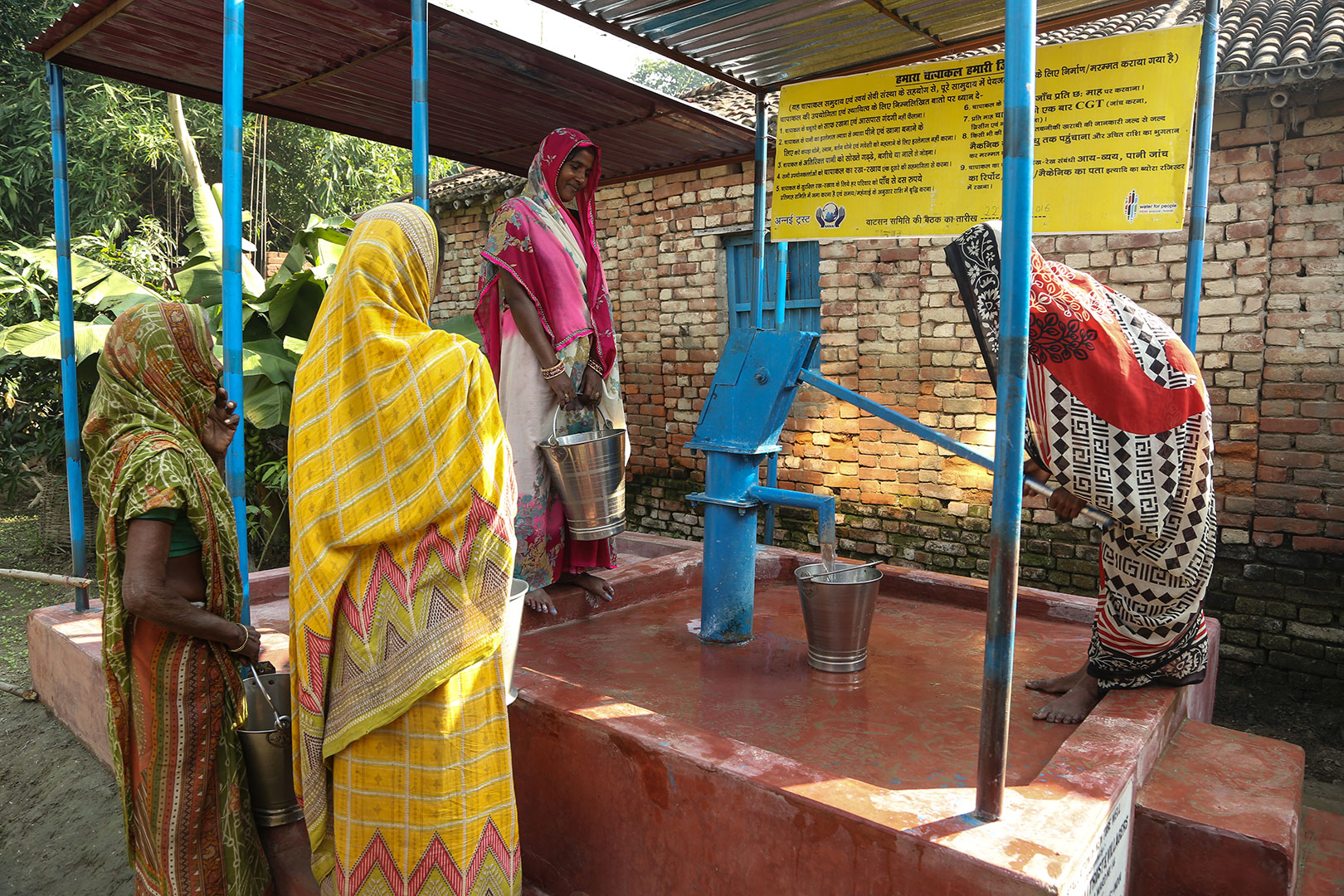
In rural areas, 31.6% of the population has access to drinking water, as opposed to 91% in urban areas. The percentage of the population served by a sanitation system is 71%.
Sources:
AQUASTAT, FAO's Information System on Water and Agriculture, Country profiles
UNDP, 2006. Human Development Report. Beyond scarcity: Power, poverty and the global water crisis.
UNESCO, 2006. Water, a shared responsibility. The United Nations World Water Development Report 2.
World Bank, 2007. World Development Indicators database.
|
Faq
Privacy policy © 2008 One Drop Foundation |